

Search Results for deflation

money1

QE and OMT are not the same thing

PARIS | By Francesco Saraceno | I think it is important to clarify once more that QE and the OMT (welcome to the wonderful world of EU acronyms) are not the same thing. If Mario Draghi manages to rally the Governing Council behind him, QE will consist of a vast program of sovereign bond purchases, in order to try to lift the European economy out of deflation. A European version in short, of what was done three years ago by the Fed and other major central banks in the world.

No Picture

How are investors positioned and where is money flowing?

ZURICH | UBS analysts | ETF flows continue to reward positive economic data from the US with spectacular equity inflows for the second consecutive month. Europe was once again a laggard in both economic terms and in flows: Germany, Spain, Italy, and France, saw net outflows in December due to a combination of growth, Grexit and deflation concerns.


102340451 Swiss franc.1910x1000

Swiss franc shocks Forex

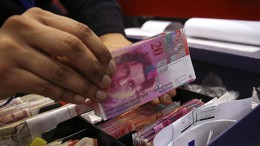
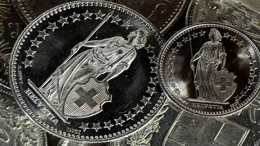
MADRID | By J.P. Marín ArreseThe Swiss National Bank decision to scrap the € 1.20 ceiling on its currency on Thursday caught investors by surprise. The ensuing steep appreciation, more than 30%, has also bewildered the Swiss monetary authorities. Shock waves hitting the Euro have sent its quote to fresh lows against the dollar, plunging the Forex into utter disarray. Furthermore, as short-term deposits will bear negative interest rates the key financial sector is bound to face rough times.   


swiss franc

SNB: And this is only the beginning

MADRID | The Corner | Maximum uncertainty shook the global markets today, after the Swiss National Bank unexpected double move of removing the controverted minimum exchange rate to the EUR of 1.20 and lowering interest rates to –0.75%. Volatility will continue in the coming weeks “as unhedged Swiss companies may start hedging and the SNB may come up with additional measures like enforcing the use of negative interest rates to strengthen other currencies against the CHF,” explained UBP’s Swiss equities expert Martin Moeller. Some analysts believe the strategy might be too radical and “counterproductive for the ECB.” Stocks in Switzerland fell about 10 percent, while broader European indexes rose modestly. 


No Picture

EU Court’s green light for QE

MADRID | By J.P. Marín Arrese | In the OMT case brought before the EU Court of Justice by the German Constitutional watchdog, the Advocate General has delivered a positive opinion. As the Court usually follows such opinions, the last hurdle for implementing the planned QE has been lifted. Yet, the Advocate General sets a number of requirements that will curtail the ECB’s room of manoeuvre.


No Picture

0.5% annual CPI UK inflation. Good news?

BRISTOL | Guest post by Tony Yates (Long and Variable) | That’s what George Osborne’s twitter feed would have you believe. And it was echoed by Andrew Sentance. Statements like these are at odds with modern monetary macro, and they are pretty irresponsible.


No Picture

Investors sound the alarm after oil collapse

MADRID | By Francisco López | The strong fall in the oil price may be a blessing for GDP growth in some countries such as Spain, but it is starting to get on investors’ nerves due to the devastating impact that it could have on some emerging countries. The price of the Brent barrel plummeted by more than 5% on Monday, registering at $48 (i.e. the lowest level for six years).


No Picture

Where now for the euro?

MADRID | By Sean Duffy | The euro hit a fresh nine-year low on Thursday after the publication of a letter from Mario Draghi which indicated that the central bank would likely purchase sovereign bonds in a bid to ward off a deflationary bout which is holding back growth on the continent. The euro was trading at $ 1.17540 against the greenback on Thursday.  Friday saw a recovery to $ 1.18177. The single currency is currently hovering around levels seen back when the currency was launched in 2002, at €1.16.


No Picture

ECB bound to act

MADRID | By JP Marín Arrese | Central bankers would be ill-advised to cave in to pressure from the markets. Yet, the ECB can hardly resist the urgent need to implement a fully-fledged QE programme involving sovereigns. Anything less could end-up sparking a period of vicious turmoil as Syriza seems poised to win the upcoming elections in Greece and the oil market continues to tumble into utter disarray. Such a grim outlook requires drastic action. Would it solve all the current problems? There are plenty of reasons to doubt it.