
George Soros’ Speech on the Future of Europe
CAIXIN | By George Soros | The euro crisis is now over but the visible uncertainty within markets lies in the fact that the system is still far from satisfactory.
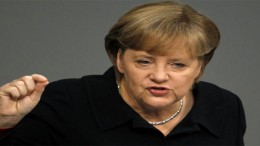
HAMBURG | Via Presseurop |The Merkel government demands southern countries make far-reaching reforms, but denies responsibility for the consequences of the crisis. It is a harmful attitude for Europe as Germany prepares for its legislative elections, warns philosopher Jürgen Habermas. As he puts it, “Germany is not dancing on the volcano; it is asleep on it.”
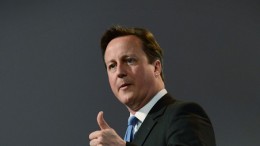
LONDON | By Victor Jimenez | The recent push for apprenticeships the Prime Minister favours could be costlier in the long run against the meagre savings in higher education spending achieved in the short term.
PARIS | By Gregoire Fleurot, via Presseurope.eu | To overcome the crisis, many European countries are thinking about cutting back on paid holidays. A tempting idea, but one that could prove counter-productive.
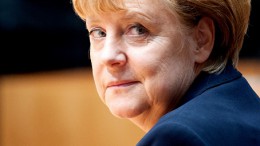
BARCELONA | By Oriol Aspachs and Joan Daniel Pina, at CaixaBank research department | To date it is the German Chancellor, Angela Merkel, who has set the pace of Europe’s construction. Without purporting to be a great leader, Germany is fulfilling this role.
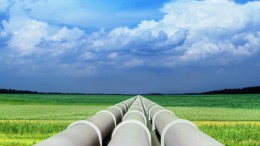
MADRID | By David Fernández, financial analyst | According to a JP Morgan report, natural gas prices in the US are at least 50% cheaper than in the UK and just a third of what Germans pay.
BRUSSELS | By Alessio Pisanò | Only the EU has the means, if the Member States stop undermining the EU budget, the structure and the social and cultural requirements to fight youth unemployment.
MADRID | The construction of a Latin front that could counterbalance a few powerful neighbours to the north, led by Germany, is too simple a solution to the crisis and encourages the nationalism of old Europe, writes Javier Cercas.
MADRID | By Julia Pastor | Most of these third-country workers in the EU find a job in the agriculture and tourism sectors, but the labour market segmentation divides them into first and second class.
MADRID | By Tania Suárez | Director of financial analysis at Profim EAFI, Jose Maria Luna Morales, argues that austerity measures in the euro zone were “necessary” but adds that “some privileges of many public institutions can still be reduced”. He also notes that although “Europe still may suffer months of stagnation”, that does not imply “a long period of stagnation'” for the EZ as a whole.