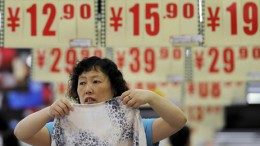
Responding to a slowing Chinese economy
BERKELEY | May 4, 2015 | By Barry Eichengreen via Caixin | Chinese policymakers could depreciate the yuan, try monetary expansion or turn to fiscal stimulus. They could also do nothing.

BERKELEY | May 4, 2015 | By Barry Eichengreen via Caixin | Chinese policymakers could depreciate the yuan, try monetary expansion or turn to fiscal stimulus. They could also do nothing.
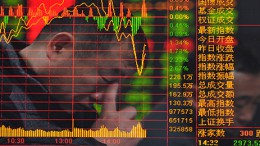
BEIJING | April 30, 2015 | Caixin Editorial | China’s stock market is on a roll, giving rise to a view that it could help revive the slowing economy. The two have an interesting relationship, and there are advantages and disadvantages to using the market to boost growth. Yet, in the current circumstances, the stock market will be hard pressed to perform that role.

ATHENS | April 29, 2015 | By Jens Bastian via MacroPolis | As negotiations between the Greek authorities and the renamed “institutions” labour on, Greek media outlets reported in recent days that the government in Athens was close to receiving substantial liquidity injections from Russian and Chinese sources.

MADRID | April 26, 2015 | By Luis Arroyo | After effusively congratulating the progress of the Spanish economy in his last press conference, Draghi said that some labor reforms are missing. Let’s connect the dots: the ECB’s president is attributing himself the merit of recovery with his expansionary monetary policy, while the demerit that this is not stronger is attributed to Madrid, which is not undertaking enough reforms.

BEIJING | April 23, 2015 | Caixin Editorial | The fact that many government officials are sitting idle, waiting for the storm to pass, proves the campaign must continue.
MADRID | April 21, 2015 | By Ana Fuentes | Seven years after financial meltdown, great concerns about sistemic risk remain. “We haven’t learned, bad practices are still there,” IOSCO’s David Wright recently told us. Structural changes in the banking system along with a prolonged period of negative interest rates have prompted to new dangers. Central banks are helping via QE programs, although “you can have monetary liquidity and yet have an insufficiency of market liquidity,” which refers to the depth of financial markets, IMF Financial Counsellor José Viñals points out.

As Cuba and the US bury the hatchet, friends, both old and new, are doing business with each other.

PARIS | April 20, 2015 | By Francesco Saraceno | Recently I commented on the intriguing box in which the IMF staff challenges one of the tenets of the Washington consensus, the link between labour market reform and economic performance. But the IMF is not new to these reassessments. In fact over the past three years research coming from the fund has increasingly challenged the orthodoxy that still shapes European policy making.

MADRID | April 20, 2015 | By JP Marín Arrese | Governments in developed countries openly bet on monetary stimulus for getting their economies back on track. The US massive liquidity injection stood as the hallmark for similar moves by Japan and Europe. Yet, the IMF voices concern that running global governance on money tools leads to a liquidity glut while demand and output remain largely subdued.
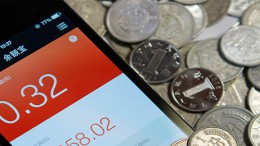
BEIJING | April 17, 2015 | By Huang Yiping via Caixin | The recent establishment of private Internet banks has ushered the banking industry into an era where banks need no brick-and-mortar offices. Technologies like big data make this possible, yet there is disagreement over how much potential Internet finance has.