
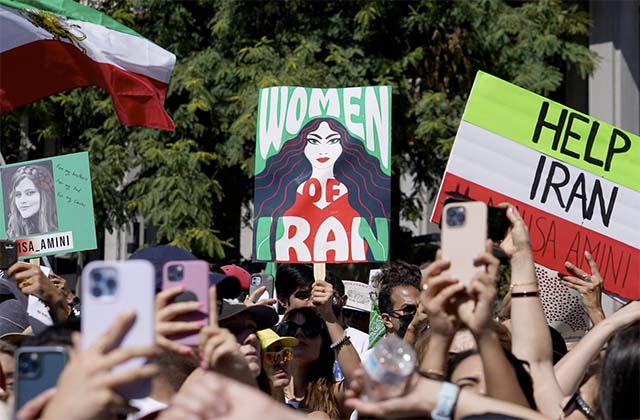
Intermoney | On the geopolitical agenda, where there are too many open fronts, issues such as Iran should not be overlooked. Since the beginning of the year, Ayatollah Ali Khamenei’s regime has been suffering from a wave of protests that are intensifying as a result of a battered economy and the currency crisis. This began at the end of last year, when the Iranian rial reached a historic low of 1.45 million per US dollar on the open market, having lost nearly 45% against the greenback in 2025. The fall in oil revenues (remember that Iran is one of the economies that needs higher oil prices to balance its budget) and tougher US sanctions have contributed to a budget crisis that has also led to a significant loss in the purchasing power of the Iranian rial, while the economy suffers from an inflation rate of over 40%.
For the time being, the oil markets have been reacting with rises in recent days, causing Brent to rise by almost 6% since Thursday to $63. Another consequence came early this morning when Trump warned that he would impose 25% tariffs on Iran’s main trading partners. This would trigger new tensions between the US and China if it materialises, given that the Asian giant is by far the main partner (26% counting the total value of imports plus exports), followed by the United Arab Emirates (22%).


