
Report by Renta 4
A double blow to global markets has brought the prevailing optimism to a sudden halt. Asian stock markets have recorded widespread falls for the first time in six sessions (Japan down 1.3%, Hong Kong down 2.3% and South Korea down 2.3%), with futures pointing to a lower opening in Europe and the US (S&P 500 down 0.4%, Nasdaq down 1.0%).
Escalating geopolitical tensions in the Middle East following fresh US air strikes on Iranian positions and the imposition of sanctions to prevent them from benefiting from maritime transit through the Strait of Hormuz (Trump has stated that these are international waters, that no nation will control them and that the US will ensure the safety of navigation there without specifying how it will achieve this), which push the prospect of a peace deal further away. The market reaction is clear: Brent crude is approaching $96/bbl (3%), and the dollar is strengthening as a safe-haven asset.
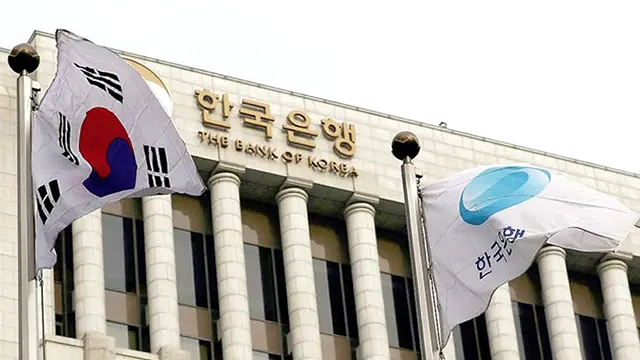
The second development comes from the monetary front, with several central banks adopting a more hawkish stance. Unexpectedly, the Bank of Korea (BOK) has adopted a more hawkish tone. This move follows recent statements by Fed Governor Lisa Cook, who said she was prepared to raise interest rates if inflation persists, as, in her view, the risk of inflation remains on the rise (T-bond 4.53%, 10-year Bund 2.68%).
The result of these two factors combined is a widespread flight from risk. Investors are taking profits against a backdrop of higher energy-related inflation and more restrictive central banks.
At a macro level, today will be the most significant day of the week, with key events on both sides of the Atlantic. In the US, attention will focus on the April core personal consumption expenditure price index (3.3% expected versus 3.2% previously), the Fed’s preferred measure of inflation, at least for the time being. Also for the same month, personal income (0.4% expected versus 0.6% previously) and personal spending (0.5% expected versus 0.9% previously) will be published, providing a gauge of the health of US consumption. We will also see the first revision of annualised Q1 2026 GDP (2% expected versus 2% preliminary) and the private consumption component (1.6% expected versus 1.6% preliminary). In the Eurozone, the focus will be on May confidence figures (economic, industrial, services, consumer), which will continue to reflect the negative impact of the energy shock.


