
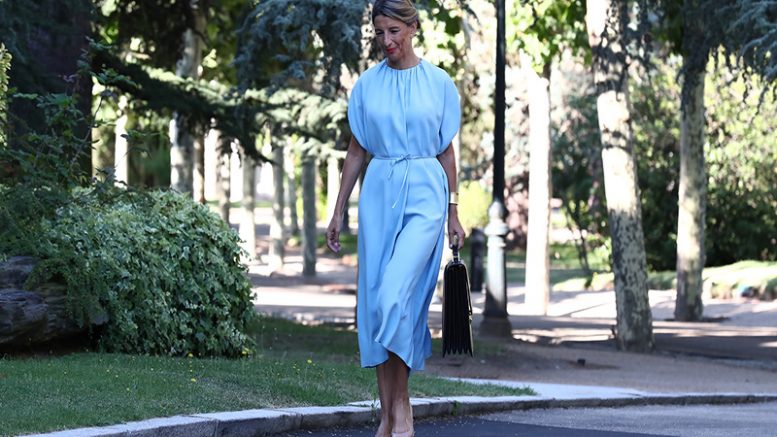
The Ministry of Labor and the UGT and CCOO trade unions reached an agreement this Thursday to increase the Interprofessional Minimum Wage (SMI) by 3.1%, bringing it to €1,221 across fourteen payments, exempt from personal income tax (IRPF). With this latest revaluation, the minimum wage has seen a cumulative increase of 66% since 2018.
For the sixth consecutive year, the minimum wage increase will not have the backing of all social partners. The employers’ associations initially proposed a 1.5% hike. From the start, the Government offered 3.1% (inflation in 2025 stood at 2.7%) and, as a trade-off, a tax deduction for companies that create jobs—a proposal the employers learned about through the media and subsequently rejected.
In an official statement, the employers’ association explained that after an extraordinary meeting of the Executive Committee, “it was unanimously decided not to support the Government’s proposed minimum wage increase.” They noted that this decision follows a situation where “the minimum consultation processes inherent to social dialogue could not be followed, as no formal proposal was received at the negotiating table, amid an unprecedented lack of coordination and conflict between ministries.”
“We also want to make it clear that this increase is a trap, given that the Ministry of Labour has actually agreed with the unions to process the non-compensation and non-absorption of salary supplements. This once again bypasses the Workers’ Statute and breaks collective bargaining, which will lead to an exponential increase in costs and suffocate a large number of companies,” warned CEOE and Cepyme, claiming that “such a clear lack of respect and contempt for social dialogue has never been seen before.”


