
IMF

No Picture

IMF’s warning to the FED

MADRID | By The Corner | The International Monetary Fund (IMF) revised downwards its growth forecasts for the US from 2.8% in April 2014 to 2%, and maintained 2015 outlook in 3%. Furthermore, the institution believes that the country will not achieve full employment before 2017.

bubble

Do you live in a bubble?

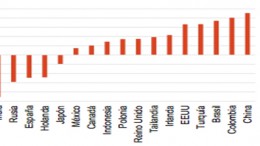
MADRID | The Corner | It’s not only about China or the US. Housing prices are well above their historical averages in many countries such as Poland, Turkey or Brazil. And that could mean big trouble for those economies, some of which need to assess their lack of capacity, like the UK. This time the EU’s peripherals are following the opposite trend, with home prices falling 7% in Greece, 6.6% in Italy and 5% in Spain in 2013. The graph shows home prices’ y-o-y evolution in 4Q13.


No Picture

IMF’s dual formula for Spanish SMEs: debt haircut & lower wages

MADRID | By Julia Pastor | The key for a Spanish sustainable economic recovery are the country’s SMEs. Considering they mean about 90% of the national corporate landscape, the IMF’s last report on Spain provides two main recipes for helping them survive: extending aids for insolvent companies, which would “preserve Spain’s strong payment culture,” and also increasing wages cuts.


pettis getty d24c7d27 copia

“Spain has been trying to be a good citizen by keeping the German bankers happy”

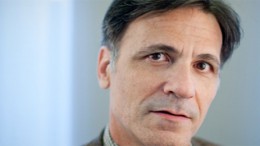
MADRID | By Ana Fuentes | Well-known U.S. economic theorist and financial strategist Michael Pettis believes the European project has a blatant, simple economic problem: Germany benefits from a weak euro while Spain suffers from a strong currency. As for the IMF’s recommendation of cutting wages in countries like Spain, Mr Pettis thinks it’s an absurd tip that can only make the global demand imbalance worse. He answered our questions via email from Beijing, where he is currently based.


1 thecorner

“We at the IMF see hot spots in the U.S. shadow financial system”

WASHINGTON | By Pablo Pardo | Shadow banking in the U.S. doubles in size to the banking system, just the opposite than in Europe. According to the IMF’s number 3, José Viñals, it’s in the shadow financial where there is “a debt that grows very quickly and investors who are underestimating the risk of certain financial assets.” And he adds: “Careful, we’ve heard that song before.”


G201

G20 delivers growth on paper

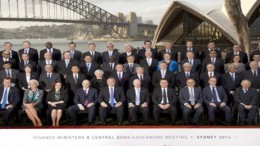
MADRID | By J.P. Marín Arrese | Will the Sidney growth strategy fly? Germany and the ECB have voiced open scepticism on its merits. So long as growth continues to gain momentum, they is little chance surplus countries might revamp domestic demand in a co-ordinated effort for anchoring recovery. They will put into practice the well-seasoned “wait and see” strategy.