In Europe

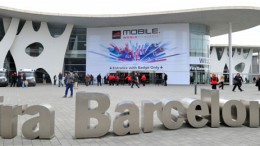
Mobile Congress

Spain leads app market in EU- but users want them for free

MADRID | By Jaime Santisteban | 22 million Spaniards are active apps users and 4 million apps for smartphones, tablets and TV are downloaded every day. No matter the economic crisis, “in this harsh work environment, app development still has an increasingly strong potential,” Microsoft analysts point out. As the industry leaders gather in Barcelona for the Mobile World Congress starting on Monday – they’ll make the deals that we’ll hear about for the rest of the year, by the way- brands are complaining about how hard it is to monetize apps in a country too used to download them without paying a cent.


auschwitz afp 640

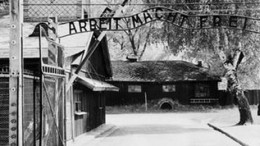
Europe says no to racism denialism

MADRID | By Julia Pastor | Racist and xenophobic instincts exist in European countries in a more or less controlled way since Europe is Europe. To deny Holocaust has been long considered a criminal offense in Germany and France but the European Commission still cannot punish member states that do not apply correctly the European rules against racism and xenophobia. Yet things can change.


germany's flag

Could Germany do more?

BERLIN | By Alberto Lozano | While Germany was receiving criticism from all sides for its surplus current account, its industry continued setting records and exporting its products all around the world and Euro zone was still strengthening its pillars for a brighter future.


welcome home

Spanish Ferrovial, ACS, OHL and FCC go shopping in Europe

MADRID | By The Corner Team | Whether they are awarded with the projects or not remains unknown but Spanish construction firms are bidding for relevant purchases and infrastructures in Europe with the aim of continuing their international expansion and thus softening the fall in their domestic market. As Ferrovial would have make a €800 million offer for control stakes in Aberdeen, Glasgow and Southampton airports, ACS, OHL and FCC will fight to build a submarine tunnel connecting Germany and Denmark valued at €5,5 billion.


Zu verkaufen

Warning signs in Germany’s housing market

MADRID| By Julia Pastor | German families are the largest savers in Europe but their banking deposits are not profitable enough in the current context of low interests rates. As a consequence national housing market is living a boom with an overvaluation between 10-20%, and reaching 25% in some capital cities such as Berlin or Hamburg. Does the word “bubble” suit these figures?


German solidarity

Germany: Europe does not converge

FRANKFURT | By Lidia Conde | German people continue feeling they have to suffer the consequences of Greeces’s mistakes when figures say that Greek are twice as rich as they are as regards housing ownership. They want to help their southern neighbours with something else than money: economy and finance know-how to ease them of the severe adjustments derived from crisis. 


No Picture

Karlsruhe, ECB’s OMT or the turn of the screw

MADRID | By Luis Martí | Each time the monetary union takes a step forward, German individuals and/or civil or political groups file a case with the Constitutional Court in Karlsruhe. So far, the Court has sanctioned that German governments were correct in accepting obligations emanating from Maastricht or the Lisbon Treaty, for example, but at the same time, it has also turned the screw on the Berlin executive by setting more and more strict limits to their freedom of action, by requiring –for instance- higher levels of co-decision with the legislative organs.


No Picture

Using the Term PIIGS Is Not Cool Anymore

OP-ED By Julia Pastor | The term PIIGS was coined in the 90s to speak about troubled southern countries on the eve of their entry into euro zone. During the current crisis, the word has been recurrently used to point bailed-out economies. And it kind of hurts. No international institution has ever adopted the ‘P word’. Banks such as Barclays even banned their analysts to use it.


No Picture

Greece: The Looming Threat of a Bigger Hole in Public Finances

ATHENS | Op-ed via Macropolis | A Council of State ruling in January looks to have blown a 500-million-euro hole in the government’s fiscal plans. Now a Supreme Court verdict is threatening to create an even bigger shortfall in Greece’s public finances: the emergency property tax introduced in 2011 and levied through electricity bills was unconstitutional.