In Europe


Germany employment

Germany Employment Rate Shows a Brighter EU Face

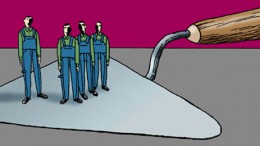
BERLIN | By Alberto Lozano | While the euro zone jobless rate reached 12.1 percent in October, Germany has promising news for itself: national labor market is expected to create about 180,000 jobs in 2014. Why is this happening? 


No Picture

Spain banking sector, 4th in EU’s financial support; UK is first

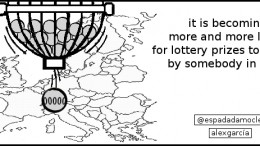
MADRID | By Julia Pastor | The UK is the European country which has given more financial support to its banking sector with €82.000 millions since 2008, followed by Germany (€64.000 millions), Ireland with €63.000 and Spain with €60.000, according to an European Comission’s report.


Save Preseurop II

‘A window on the lives of Europeans is shut’

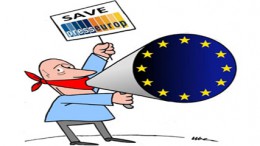
MADRID| By  The corner team via Presseurop|In a time when Europe is trying to reinforce its identity it is very difficult to understand that the European Comission has decided to end its financial support to such an intelligent project as Presseurop, the first Pan-european multilingual news and debate site. Its closing down on Friday marks the end of a journalistic experiment with civic dimension, says the European press.


Angie II

Europe waits for Merkel

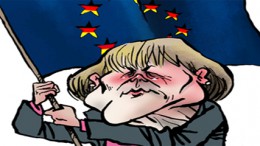
MADRID|Rafael Poch at La Vanguardia via Presseurop|At the start of her new mandate, Angela Merkel is putting the emphasis on Europe. And, as always, Europeans are expecting a lot from her. Will she go down in history as one of the great chancellors? It all depends on what happens in Europe.


There are no tycoons in Spain, but “pilferers”

MADRID | By Luis Arroyo | During the so-called Transition period in Spain, a new entrepreneurial force should have arisen, but there was a destruction of the nationalized companies. Thus, the country doesn’t have strong big firms. Something is wrong with the Spanish fiscal system.


European Elections An Abnormal Democracy

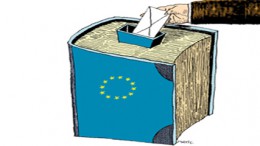
European Elections 2014: An Abnormal Democracy

MADRID | José Fernández Albertos at El Diario via Presseurop | European elections are transnational, but voting is determined by campaigns on local issues, and the political consequences of the election results are essentially local. This paradox is a major obstacle for European integration.