Report by Singular Bank
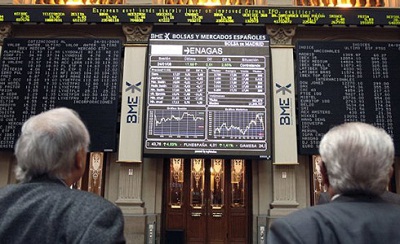
European stock markets managed to stabilise with minor declines despite the latest episode of tension between the US and Iran and the rise in Brent crude above $79. The session was one of recalibration, not panic: the energy sector provided support, whilst the technology sector once again bore the brunt of selling.
The IBEX 35 fell by 0.3%. In Europe, the Euro Stoxx 50 remains stable.
Wall Street was trading lower at the close of European markets: the Nasdaq was down by around 1 per cent and the S&P 500 had fallen by nearly 0.4 per cent. The pressure is concentrated on semiconductors and AI stocks, where investors continue to demand greater clarity.
The main catalyst of the day was the new escalation surrounding the Strait of Hormuz. Brent crude briefly exceeded $79 and the risk premium re-emerged.
The US President has stated that they will keep the sea route open, even without Iranian cooperation.
The sectoral picture was clear: energy is holding up better, whilst airlines, transport, cyclical consumer goods and fuel-sensitive industrials are being hit hardest.
Technology also weighed on the session. The correction in semiconductors and AI stocks reflects profit-taking and doubts over valuations ahead of a key week for earnings, with US banks and TSMC among the main benchmarks.
In Spain, the index held up better, but the trend points to a more defensive market.
Fixed Income
Sovereign debt saw rises in yields. Today’s movement has not been driven by a flight to safety into bonds, but rather by rising yields due to the energy component.
The yield on the 10-year German Bund stood at around 3.11%, up 4bp. In Spain, the 10-year bond was trading at around 3.56%, up 6 basis points, against a backdrop of increased pressure on European debt.
In the United States, the yield on the 10-year Treasury stood at around 4.60%, up 3 basis points.
Commodities and currencies
Brent rose to around $79.5 per barrel following renewed exchanges of attacks between the US and Iran and concerns over the Strait of Hormuz. US President Donald Trump stated that they will ensure the strait remains open by charging a 20 per cent levy on all cargo passing through, without specifying the framework or how this would be implemented.
Gold fell towards the $4,015 per ounce mark, weighed down by the rise in bond yields and a stronger dollar.
In the foreign exchange market, the dollar strengthened against most currencies due to its safe-haven status and the rise in bond yields. The EUR/USD was under pressure at 1.142.


