
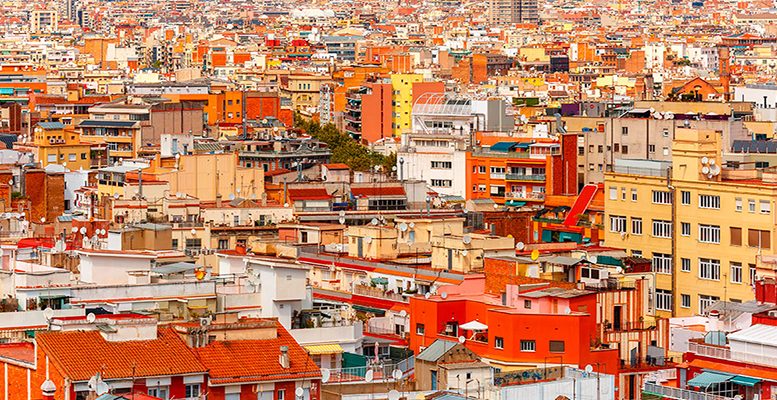
Fedea warns that one in four Spanish tenants falls below the poverty threshold after paying their rent. This affects around 1.95 million people in Spain who were in a situation of “hidden poverty” in 2025—meaning they were not classified as poor under the conventional monetary disposable income criteria, but fell below the poverty threshold once the cost of accessing housing was factored in.
This was revealed in the study “The Cost of Housing and Hidden Poverty in Spain: 2014-2025”, published this Wednesday by the Foundation for Applied Economics Studies (Fedea) and authored by José Ignacio Conde-Ruiz (Fedea and Complutense University of Madrid) and Álvaro Pinto (Fedea and University of Alcalá).
The report, based on microdata from the National Statistics Institute’s (INE) Living Conditions Survey (ECV), confirms that the conventional relative poverty rate stood at 19.5% of the population in 2025, but would jump to 23.5% if the cost of accessing housing is deducted from income.
The authors emphasize that “housing not only causes more people to cross the poverty threshold, but also worsens the economic situation of many of those who were already below it.”


