
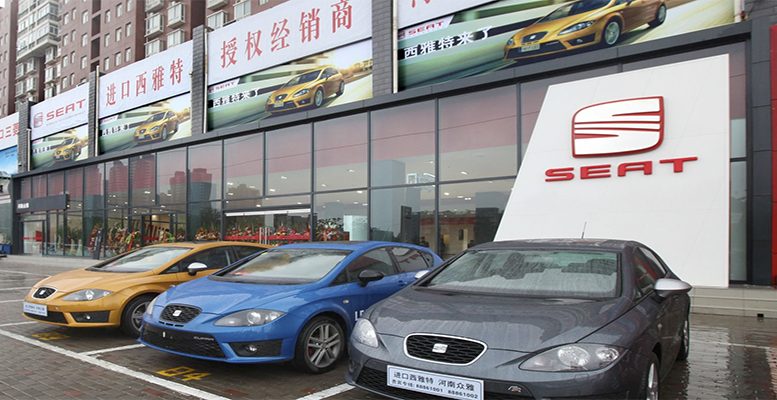
The Volkswagen Group aims to close down SEAT, Spain’s only automotive brand, by the end of 2029. This move would involve phasing out the brand to focus exclusively on the premium Cupra brand, although the group does not appear to intend to close its Spanish subsidiary or the Martorell plant, which employs around 12,000 people.
This was reported by the German business magazine WirtschaftsWoche, ahead of the Volkswagen Group Supervisory Board meeting regarding its aggressive restructuring plan. The plan was previously known to include: 50,000 layoffs in Germany through 2030, four plant closures, a reduction in production capacity to nine million vehicles, and a commercial realignment cutting the number of models by half and their variants by up to 75%. All of this aims to regain competitiveness and lower costs—which currently run 30% higher than those of its competitors—though the plan has already met strong resistance from workers and trade unions.
Since Cupra was launched as a second brand under the Spanish subsidiary in 2018, there were concerns that SEAT might disappear over the long term, despite efforts to defend the coexistence of both brands based on their distinct target audiences, powertrains, and price points. On one occasion, while still at the helm of SEAT S.A., Wayne Griffiths remarked: “To make the same profit as on one Cupra Formentor, I have to sell four SEAT Ibizas.” Griffiths stepped down as CEO of the Spanish subsidiary in April 2025 and was succeeded by Markus Haupt, initially on an interim basis and later permanently. Both executives, alongside Thomas Schäfer—CEO of the Volkswagen brand and head of the Brand Group Core on the executive board of the German automotive giant—have stated on multiple occasions that the future of SEAT S.A. lies with Cupra.
Founded on May 9, 1950, SEAT stands for Sociedad Española de Automóviles de Turismo. It was established with predominantly Spanish capital (51% held by the National Industry Institute – INI, 42% by Spanish banks, and 7% by the Italian automaker Fiat) to license and manufacture Fiat models alongside its own vehicles. Later, in 1980, the decision was made to begin privatizing SEAT, opening the door for the German Volkswagen Group, which acquired a majority stake in 1986 and assumed full control in 1990.


