
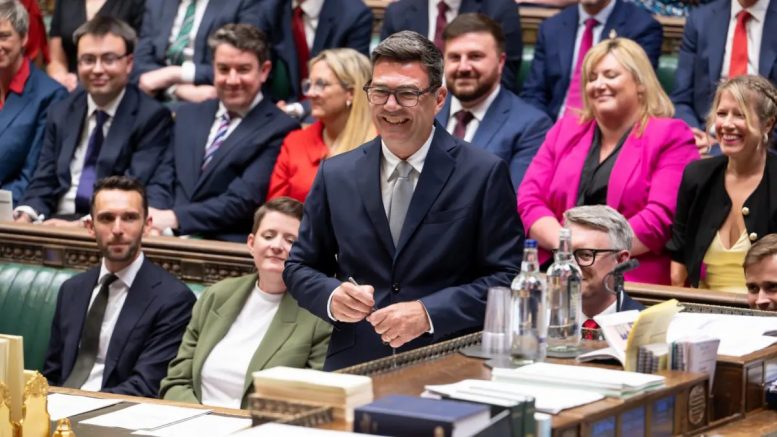
The UK begins the second half of 2026 with a new Prime Minister, a large Labour majority and another opportunity to rebuild its economic credibility.
Reported by Anthony Willis
The UK has a new Prime Minister – the seventh in just over a decade – and another opportunity to reset the country’s economic narrative. Andy Burnham arrives at 10 Downing Street with a comfortable majority, but the challenge is clear: to restore confidence in the UK’s growth prospects whilst fiscal space is limited, inflationary risks persist and geopolitical uncertainty remains high.
The UK economy has weathered a succession of shocks over the past decade. The aftermath of the global financial crisis and austerity was followed by Brexit, which dominated the political agenda after 2016 and diverted attention away from growth, investment and productivity. The pandemic subsequently added disruptions to supply chains and the labour market, as well as renewed inflationary pressures.
These pressures were exacerbated by the energy shock following Russia’s invasion of Ukraine, tensions in the gilt market following the 2022 mini-budget, and prolonged pressure on the cost of living. More recently, defence spending, commitments to social security benefits, tariffs and renewed concerns over energy prices have further reduced the scope for policy manoeuvre. With oil back above $90 a barrel, there remains a risk of a fresh surge in inflation.
Many of these pressures are global in nature, but the UK has been particularly exposed. Its energy market remains vulnerable to the way in which electricity prices are set, whilst the country remains a net importer of energy. This leaves households and businesses exposed to fluctuations in global prices and makes it difficult to bring inflation back to target in a sustainable manner.
The structure of the UK’s debt portfolio adds further pressure. A significant proportion of public debt is inflation-linked, meaning that higher inflation is directly passed on to debt servicing costs. Higher gilt yields have also increased the cost of new borrowing and refinancing. As a result, more than £100 billion a year is now being spent on interest payments, a significant fiscal burden that does little to improve public services or living standards.
This is the legacy facing the new government. The ambition to raise UK growth to 2.5 per cent is understandable, but there is no obvious quick fix. Economic policy will need to strengthen the supply side, improve productivity and encourage investment, whilst operating within strict fiscal constraints. That task is complicated by the competing demands of defence spending and social security benefits.
Burnham has pledged to maintain the current fiscal framework, limiting the scope for a drastic policy shift. This may reassure the gilt markets, but it leaves little scope for unfunded commitments or extensive fiscal stimulus. For investors, the key question is whether the government can improve the UK’s medium-term growth outlook without undermining fiscal credibility.
There are reasons to avoid excessive pessimism. The government is only two years into its term and still enjoys a substantial majority.
This gives the Prime Minister time to refocus the message, build credibility and demonstrate progress ahead of the next general election. The political challenge is to convince voters that the economy is moving in the right direction.
For investors, valuation is also important. UK assets remain cheap relative to many international counterparts, particularly in the equity markets. This discount reflects deep-seated concerns about weak growth, political uncertainty and lacklustre domestic investment demand. If the new administration manages to rebuild confidence and establish a credible policy framework, sentiment could improve from a depressed base.
The second half of 2026 is therefore likely to be characterised by a balance between constraints and opportunity. The constraints are clear: limited fiscal space, persistent inflationary risks, high debt servicing costs and a fragile external environment. The opportunity lies in political stability and attractive valuations. If the government manages to shift the debate from crisis management towards productivity, investment and long-term growth, UK assets could warrant greater attention.


