
Dovishness Dominates ECB’ s Meeting
UBP | Unsurprisingly, the ECB kept its monetary policy unchanged. Corporate bonds buying are going to start on June 8th and the TLTRO on June 22nd.

UBP | Unsurprisingly, the ECB kept its monetary policy unchanged. Corporate bonds buying are going to start on June 8th and the TLTRO on June 22nd.

Roberto Tamborini, author, Professor of Economy at Trento University says The Corner at this interview that “we can only start on the road towards a satisfactory recovery with fiscal and monetary coordination in the eurozone, and this fiscal stimulus can only be coordinated via Brussels. This directly calls into question the eurozone’s economic governance, one of the pillars of which is the Maastrich principle of exclusive national responsability.”
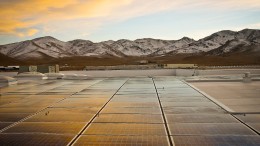
The main European electricity companies will invest nearly €85 billion over the next four years to speed up their strategic transformation to enable them to deal with the foreseeable drop in coal and gas prices. The companies plan to turn their strategies around, focusing more on renewable energies, networks and regulated activities.
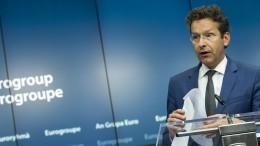
Yiannis Mouzakis via Macropolis | Following an 11-hour Eurogroup that brought back memories of other classic encounters between Greece and its lenders, an agreement was reached to disburse 10.3 billion euros from the programme’s financing in two tranches – next month and in September – as the much-contested debt issue was put on the table.
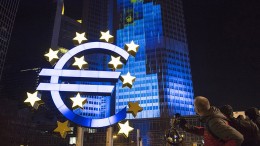
In Sober Look, Marcello Minenna gives us a clue about a possible new breach in the euro’s structure. A few years ago (2011-2012), when the euro was going through its worst time, one of the consequences was that the central banks in the peripheral countries increased their debt position with TARGET2.
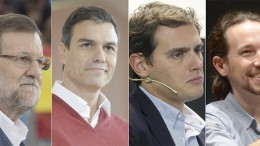
Spain depends on Europe, but in a rather odd way, because Europe is a carcass without a head and without any initiative. Europe has left us in doubt over our deficit because we were in an electoral period. And this brutal wear and tear, which has not been good for us, on the contrary, has not ended. After June 27, whatever happens, the government will be even weaker, whichever it is.
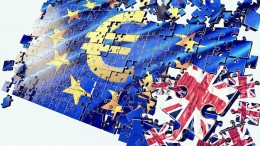
Time is moving on. After the more than satisfactory agreement reached by Prime Minister David Cameron after renegotiating the UK’s relationship with the European Union, the countdown to the June 23rd referendum has begun. And as happened with the Scottish referendum, the British government is ready to bring out all the big guns.
Guntram B. Wolff via Caixin | G-20 ministers in Shanghai appeared to be aware of the importance of structural work. In particular, there was agreement in our panel discussions that the Base Erosion and Profit Shifting (BEPS) project of the OECD was an essential element to deal with tax avoidance and ensure that profits are taxed where economic activity generating it takes place.
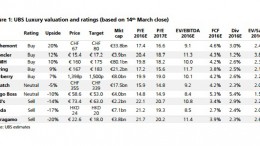
UBS | Following our recent launch report on European luxury we have undertaken an analysis of US and Chinese millennial (18-34 years) spending together with UBS Evidence Lab based on our survey of 2,109 consumers. We conclude that millennials will not mark the end to luxury consumption that some fear.
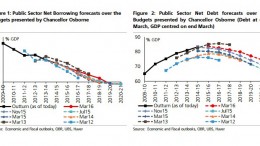
The Chancellor’s latest Budget saw the cumulative forecast for government borrowing over the next five years revised up by close to GBP 40bn. This reflects both weaker cyclical growth and also the Office for Budget Responsibility (OBR) taking a gloomier view on UK trend productivity growth.