
Markets

No Picture

ECB will push for DTA to be replaced by core capital

MADRID | The Corner | The ECB doesn’t like the idea of allowing banks to use Deferred Tax Assets (DTA) to boost their capital buffers, a practice that was meant to be phased out under new European Union rules. The central lender fears that losses would be imposed on taxpayers should entities run into trouble in the coming years, as the WSJ reported. Even if the ECB doesn’t have the power to change that, and is not likely to make any move before the upcoming stress tests, it might push for DTA to be replaced by core capital. 


No Picture

FSB: tougher loss-absorbency homework for too-big-to-fail banks

MADRID | The Corner | The Financial stability board (FSB) is advocating an increase in regulatory demands of systemic banks: the so-called “too big to fail”. The details will be presented at tomorrow’s G20 meeting, but will effectively mean that more capital and liabilities can automatically be written off in a crisis. The basic requirement will be set at 15-20% of risk-weighted assets by 2019, although the final number will be higher (even more than 25% in certain cases) since lenders have to meet “other regulatory capital buffers,” according to the document, dated Sept. 21, quoted by Bloomberg.


dollarrollorecorte2

Dollar’s quick appreciation raises questions for markets

MADRID | By Francisco López | The strength of the dollar –which is in maximum levels and has appreciated by almost 11% against the euro since January 2014, has started to cast doubt among market watchers. Some experts consider that such strong appreciation does not correspond to Janet Yellen’s cautious decisions or to the low inflation expectations at a global level, which leaves room to central banks to maintain loose monetary policies. 


No Picture

Markets stall as fractious ECB fails to convince

MADRID | The Corner | Expect the market to stagnate in the days ahead, as markets continue to slump in the wake of the ECB’s disappointing announcement last Thursday and growing differences between the central bank’s counselors, who have failed to  agree on how to back ABS purchases. Whether it’s due to technical or fundamental reasons, the reality is that France (Mr Noyer) is against granting such state guarantees, in addition to Germany (Mr Weidmann) and Austria (Mr Nowotny).


ECB1

ECB: More questions than answers

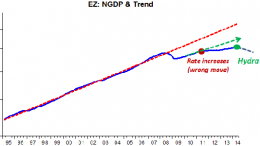
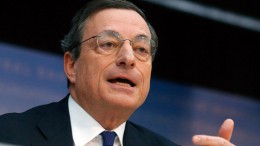
MADRID | The Corner | The ECB disappointed all those who were keen to gain more concrete information on how it wants to expand its balance sheet over the coming months. Instead, Mr Draghi pointed out that inflation expectations, not balance sheet size, remain the ultimate yardstick of current and future ECB action. “We think this is the right communications strategy as we had become concerned that the ECB would set fairly explicit balance sheet targets that it might struggle to attain. The ECB offered a more cautious assessment of the growth and inflation outlook and left the door open for additional unconventional measures. Nevertheless, our base case scenario remains that sovereign QE will not be triggered,” UBS analysts commented.


No Picture

ECB’s ABS: not much junk to buy

MADRID | By Julia Pastor | While the idea is spreading that the ECB can become the European “bad bank” if it finally buys securities from Greece and Cyprus, our readers should note that the ABS market is too small in some EU countries such as Spain. Also, many issuers do not even have a credit rating and those who have it would not obtain more than a BBB-. The reality is that there is not much “junk” to buy.


ECB

ECB officially unveils its much awaited next move- yet not its size

Madrid | The Corner | We imagined the ECB wouldn’t unveil specific details about the size and form of its next move. Mario Draghi just explained on Thursday that they will be acquiring private sector assets: covered bonds from eurozone banks in mid-October and asset-backed securities (ABS) at some point in 4Q14 and for at least two years. The Frankfurt based institution kept rates at 0.05% and will be expanding its balance sheet up to March 2012 levels, which is, €1Tr, in order to spur the economic recovery.


No Picture

ABS drive, to the point

MADRID | The Corner | Mario Draghi will finally reveal the details of the private debt purchases program on Thursday. Markets take for granted that he will continue feeding expectations that he is willing to do more if necessary. The ECB’s President is however not likely to announce the acquisition of retained ABS, nor to include the so-called mezzanine tranches. As for the rumours about Mr Draghi pushing the ECB to eventually buy bundles of Greek and Cypriot bank loans with “junk” ratings, our readers should note that those tranches would be senior, and in very small amounts. However, “symbolically is an important issue about what they are willing to do,” JPMorgan analysts pointed out on Wednesday.


No Picture

Greek debt viable, no haircut needed

MADRID | The Corner | As Greece and its euro-area creditors meet on Thursday to review its progress ahead of another round of talks on repayment terms for its public deb, the worst for Athens seems to be over. The Mediterranean country doesn’t need a haircut, its debt is sustainable, as head of the EFSF ESM Klaus Regling commented in Brussels on Tuesday. However, and despite the profound, painful reforms the country has been through, recovery is hampered by private debt of households and companies: about 164 billion euros ($208 billion), 90% of GDP.