
Little Denmark has big currency question
By Peter Lundgreen via Caixin | Like the Swiss, the Danes are dealing with huge capital inflows from international investors, meaning the krone is a problem for the central bank.

By Peter Lundgreen via Caixin | Like the Swiss, the Danes are dealing with huge capital inflows from international investors, meaning the krone is a problem for the central bank.
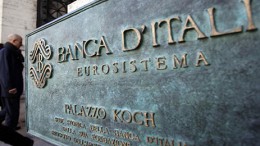
LONDON | BNP Paribas | Over the years we have abstained from discussing M&A scenarios among Italian banks as we always deemed it highly speculative. However we believe the proposed reform of the Italian Popolari banks (forcing them to demutualise within the next 18 months) changes everything with defensive M&A among small and mid-cap banks a distinct possibility.

MADRID | The Corner | January ends with bad news for the eurozone: consumer prices fell sharply (0.6% lower than in January 2014, having been down 0.2% on an annual basis in December). This is nothing strange given cheap oil prices, merely adding stress for policymakers. The European Central Bank hopes to stop this decline in prices -the largest since July 2009- with its new bond-buying program starting in March.

MADRID | By Sean Duffy | Market fears about Greece eased somewhat on Thursday, with Spanish banks recovering the ground lost earlier in the week. Friday brings new data on unemployment and GDP which may bring further good news for the Spanish economy

MADRID | The Corner | The onset of QE by the ECB will have several consequences but one of the most important is the continued depreciation of the euro against other currencies. The significant appreciation of the dollar, the pound and the Brazilian real in recent months could be very positive for Spanish companies,” but it depends on how they are funded in these countries and whether the currency risk is covered,” said experts BekaFinance.

MADRID | By Álex García.

MADRID | By JP Marin-Arrese | European governments are openly expressing dismay at the Greek election outcome. They have waited quite a long time to convey their congratulations wishes to Tsipras, the new elected Prime Minister. Berlin and Brussels stressed that debt restructuring was out of question while reminding him of the need to keep pledges from former governments as a pre-condition for securing financial support. Yet, they should come to terms with him, the sooner the better, as a thoroughly deceived and frustrated European Council member can inflict damage to EU action.

By Christian Odendahl via Macropolis|With the new government in Greece preparing for the negotiations with the troika, the German position in particular has been a topic of debate, both in Greece and on markets.

By Benjamin Cole via Historinhas | The unemployment in Greece is 25 percent. The Greek economy has shrunk by 29% since 2009. That is a full-blown economic depression, an outright failure of macroeconomic policy.

WASHINGTON | By Pablo Pardo | Guess which country pioneered Quantitative Easing in Europe… Exactly: Germany!