
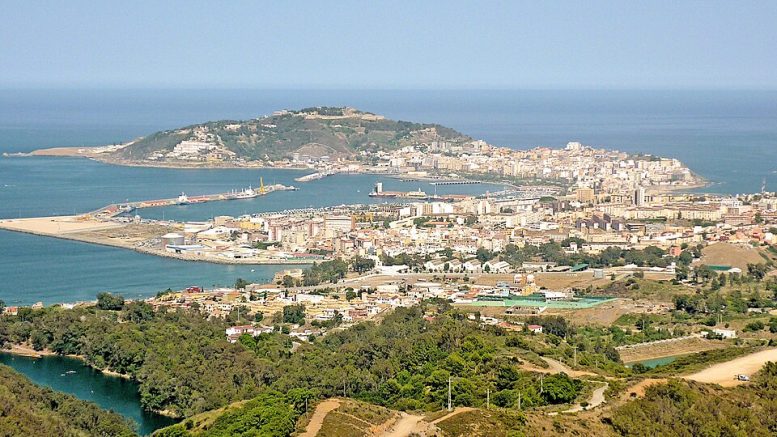
Overwhelming the border, on July 30 and 31, more than 80,000 people from Morocco entered Ceuta—a Spanish city of 83,000 inhabitants. Moroccan and Sub-Saharan nationals, adults and minors, men and women… In a display of helplessness that reflects the Government’s difficulties in enforcing respect for Spanish borders. And which, almost a month later, continues.
Against all evidence, the Spanish Government has been determined ever since to highlight Morocco’s collaboration in resolving the conflict, assuring that everyone who had entered illegally would be expelled. That is exactly what Brussels is proposing, as it monitors minute by minute a crisis that tests the EU’s external borders.
However, although the bulk of those who entered illegally during those days appear to have retraced their steps, according to estimates by the president of the autonomous city, Juan Jesús Vivas, more than 10,000 people remain in Ceuta, camping on beaches and roaming the streets, creating a sense of unsanitariosness and insecurity in Ceuta that is hard to ignore. With one sexual offense daily and 200 reports filed with the police—ten times the figure recorded prior to the assault.
The Government now intends to transfer 500 girls, young women, and adult women to the mainland—”and what about us?” protest Spanish women—but that idea meets with the fierce opposition of PP-governed autonomous regions, which remind the Government of its announcement that everyone who entered illegally would be expelled. The Government now maintains that, under Spanish law, this is not possible in the case of minors—at least without identifying them individually, opening a file, and ensuring that their expulsion does not leave them destitute.
This is where matters stand while half of Europe maintains that the massive regularisation decreed by the Spanish Government—without Parliament’s involvement—has generated a pull factor that Morocco, in its “hybrid warfare” to keep its claim over Ceuta and Melilla alive, has managed to exploit.


