
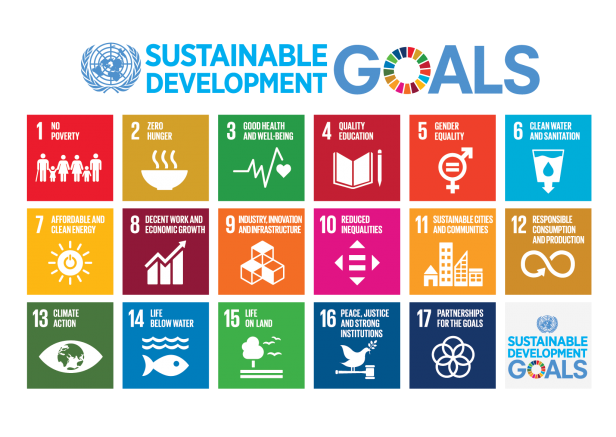
A United Nations analysis of 197 countries warns that the current pace of transformation of food systems is insufficient and calls for accelerated policies, investment and public-private collaboration.
Most countries are not progressing at the pace required to meet the international targets of the 2030 Agenda relating to food systems. This is revealed by a new analysis assessing the progress of 197 countries across 44 indicators related to health, the environment, poverty, governance and resilience.
The results show a significant gap between the agreed targets and the current trajectory. Of the 30 indicators with defined global targets, only one — mobile phone subscriptions, used as a proxy for connectivity and resilience — has been met by the majority of countries. For a further 22 indicators, fewer than a third of countries would meet the 2030 benchmark if they continue at their current pace.
One of the main areas of concern is greenhouse gas emissions associated with food systems. The global average is approximately 75 per cent off target and, based on current trends, no country would be on track to meet it by 2030. The study also identifies setbacks in areas such as agricultural water use and pesticide use, the consumption of ultra-processed foods, civil society participation and government accountability.
Regional differences are significant. Africa accounts for some of the widest gaps, with annual improvement requirements exceeding 15 per cent or 20 per cent across various indicators. Universal access to safe drinking water, for example, would require an annual increase of approximately 31.5 per cent. Asia faces significant challenges in terms of food insecurity, whilst Europe is in a more favourable position regarding some targets, although it is not without its own delays.
Governance emerges as one of the key factors for accelerating this transformation. Government effectiveness, accountability and civil society participation can act as enabling factors to drive simultaneous progress across different areas of the food system.
The study, however, also identifies positive signs: around half of the indicators show a favourable global trend. Furthermore, extending the timeframe to 2050 would make many targets achievable if steady progress is maintained.
The authors call for prioritising issues such as food affordability, food insecurity, emissions, price volatility and child labour, through coordinated policies, sustained investment and greater collaboration between governments, businesses, international organisations and civil society. The message is clear: 2030 is fast approaching and maintaining the current pace is no longer enough.


