
In Europe

No Picture

What are the ECB and Draghi Scared Of?

MADRID | By Fernando G. Urbaneja | In a surprising move, the European Central Bank cut interest rates on Thursday. This is just a sign of the multiple fears shared by the institution and Mr Draghi: the ghost of deflation, the need for credit or the European prices and asset inflation. But both Mr Draghi and the ECB’s credibility have been boosted lately. What are they scared of then?

[Video by FT: “Is Europe getting deflated?”]


No Picture

Germany and its Excusiato Non Petita

MADRID | By Luis Arroyo | Germany prevents the monetary expansion in the country (and within the rest of the euro zone) by controlling the ECB. If the central bank had the minimal amount of money necessary for the area, all of it would go to Germans, who would spend more, thus accelerating the recovery of their European partners.


Little England or Great Britain?

Great Britain vs Little England

LONDON | By The Economist Staff via Presseurop | According to the British newspaper, Great Britain “faces a choice between comfortable isolation and bracing openness. Go for openness. Asked to name the European country with the most turbulent future, many would pick Greece or Italy, both struggling with economic collapse. A few might finger France, which has yet to come to terms with the failure of its statist model. Hardly anybody would plump for Britain, which has muddled through the crisis moderately well.”


ECB inflation

ECB reacts to low inflation and cuts interest rate

LONDON | By Barclays analysts | In a surprise move, the ECB cut the refi rate by 25bp to 0.25% and left the deposit rate unchanged at zero. It also extended its fixed-rate, full-allotment facility to all refinancing operations by one year, at least until mid 2015. The ECB clearly signalled that it is concerned about persistently low inflation, even if deflation risks are contained. We will only know more about how long the ECB thinks low inflation will last next month when it publishes its macroeconomic forecasts. We see euro area inflation in 2014 dropping to 1.0% from the forecast 1.4% this year.


energy policy in Europe

Energy Policy in Europe is Every Man for Himself

FRANKFURT | By at Frankfurter Allgemeine Zeitung via Presseurop | Germany is going down the green energy road, Poland is drilling for shale gas, and the United Kingdom has announced the building of new nuclear plants: when it comes to energy supply and security, the Europeans are hauling in different directions. It’s in their own interest, though, to adopt a common strategy.


No Picture

ECB likely to respond to monetary tightening

LONDON | By Barclays analysts | Disinflationary pressures and significant monetary tightening in the euro area suggest ECB action sooner rather than later. In our view, the probability of an easing at the ECB’s December meeting has increased and will likely be priced-in through a lower EUR heading into the meeting and beyond.


Greeces budget deficit No one is listening

Greece’s budget deficit… no one is listening

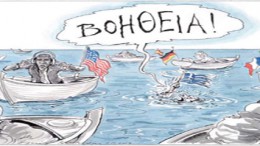
ATHENS | By Ilias Makris via Preseurop | “Help!” Arriving in Athens on November 5, representatives of the EU-ECB-IMF troika met with the Greek Minister of Finance, Yannis Stournaras. Their meeting focused on the the question of the country’s budget deficit in 2014 along with measures to ensure its compliance.


Greek Banks2

When Will Greek Banks Operate as Credit Institutions Again?

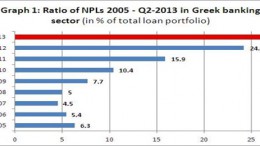
ATHENS | By Jens Bastian via The Agora | Despite the successful recapitalisation process and continued restructuring of the Greek banking sector, the credit transmission mechanism towards the real economy remains severely impaired.  [Above graph sources: The Agora and Bank of Greece yearly data.]


100 years on Germany pulverizes Europe

100 years on Germany ‘pulverizes’ Europe

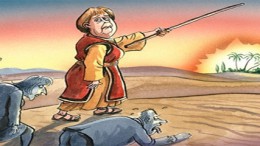
SAO PAULO | By Marcus Nunes | According to Professor Harold James, “Germany’s general election in September and the prolonged formation of a new government since then have highlighted a peculiar development. Not only does Germany now seem to be running Europe, but the rest of Europe seems to be falling in love with Germany – not least because, in a time of political confusion and economic instability, Germans are the only Europeans who seem to know what they want.”

No Picture

Before ECB’s meeting: Euro Losses Momentum To Possible Rate Cut

MADRID | By Francisco López | The market has changed their perception about the ECB’s monetary policy and it’s now anticipating a possible reduction of interest rates in the eurozone before end of the year or early 2014. The first consequence has been the depreciation of the euro, which has gone from 1.38 dollars, a two-year-maximum, to 1.35. The European currency suddenly depreciated, yet it still overvalued against the dollar.