World economy

Global Economy

After Growing 3.2% In 2019, The Global Economy Will Expand 3.2% In 2020 And 3.3% In 2021

These growth forecasts are  dependent upon keeping geopolitical tensions in check, in addition to other risks threatening the world economy. Specifically, our scenario assumes that recent tensions between the US, Iran, and Iraq will have no permanent negative impact on the global environment. In particular, oil prices are expected to stabilize at about $61 per barrel over the next two years, below the average value recorded in 2019 ($ 64) or the current price ($ 68).


global trade

Trade tensions: Phase 1 solves some but not all issues

David Kohl (Julius Baer) | The signing of the phase one of the trade deal between the US and China this week would confirm the easing of trade-related growth headwinds in 2020. Persisting geopolitical rivalry between the US and China, as well as ambitious import targets for US goods, prevents the trade agreement from boosting business sentiment significantly.


iran us

What US-Iran tensions mean for investors

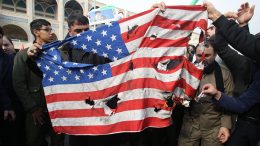
Neil Dwane (Allianz) | The financial markets are signalling that the situation in the Middle East won’t get out of hand, but US-Iran friction could continue for some time. The defence industry and oil and gas-related sectors could remain well-supported, but overall we believe investors should be cautious yet patient. Look to higher-quality stocks with lower correlations to the broader market and “hunt for income” if headline volatility is a risk you wish to avoid.


5g network

The Global 5G Roll-Out is a Geopolitical Turning Point

Joanna Eva (European Views) | For the best part of two years, wireless carriers in the US and Europe have been hailing the imminent onset of 5G technology. In Europe, Switzerland, Spain and the UK have already adopted commercial 5G coverage in major cities. Beyond the obvious benefits of the new technology, however, most consumers remain wilfully ignorant to the geopolitical realities of the ongoing roll-out; 2020 presents nothing less than an existential crossroads for democracies around the world.


oil

Oil: Political markets have short legs

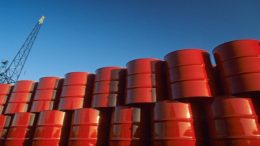
Norbert Rücker (Julius Baer) | Oil prices sold off more than 4% as concerns about supply risks in the Middle East calmed. The latest actions and reactions show that both opponents, the United States and Iran, are shying away from a military escalation out of fear of its potential economic costs. We stick to our Neutral view on oil and see oil prices lower towards year end. Demand should remain soft amidst weak growth, while supplies increase from Canada to the North Sea.


Repsol

US is more relaxed about oil spike than Europe – which helps explain differences over Iran

Mueid Al Raee (The Conversation) |Whether or not the Americans actually want higher oil prices, there are certainly good economic reasons why they probably won’t mind them. Deepening the chaos that started with the US withdrawing from the West’s nuclear deal with Iranis an “easy” way to achieve higher oil prices while meeting other strategic objectives. Yet how the Europeans, China and Russia respond will also determine the global flow of oil from Iran and Iraq.


Oil

Oil: 2020 Spells Geopolitics For Energy

Norbert Rücker (Julius Baer) |  The oil market is off to a rocky start as the tensions between the United States and Iran escalate. The situation brings lots of uncertainty and geopolitical tea-leaf reading on reactions. While the closure of the Strait of Hormuz remains a very unlikely event, the deterioration in Iraq bears supply risks. Geopolitics tend to be a temporary force on oil markets and we believe this time is no different. We raise our near-term forecast to USD 65 per barrel, and maintain a Neutral view on oil.


China proposes major antitrust law overhaul, curbing internet titans

China Proposes Major Antitrust Law Overhaul, Curbing Internet Titans

Dave Yin (Caixin) | China is making major revisions to its antitrust law for the first time in more than 11 years to give it more teeth while reining in the dominance of the country’s internet goliaths.China is making major revisions to its antitrust law for the first time in more than 11 years to give it more teeth while reining in the dominance of the country’s internet goliaths.