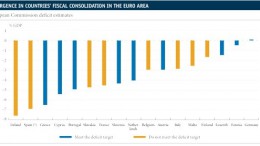
Uneven fiscal consolidation in the eurozone
BARCELONA | By CaixaBank analysts | It is expected that, in some cases such as Spain or France, the European Commission will ease the extent of fiscal consolidation required over the coming years.

BARCELONA | By CaixaBank analysts | It is expected that, in some cases such as Spain or France, the European Commission will ease the extent of fiscal consolidation required over the coming years.

MADRID | By Ricardo Cantalapiedra | A Southern European countries coalition is necessary to counterbalance the troika’s power.What would happen if more countries asked Russia, or even China, for help?
MADRID | The eurozone is trapped in internal conflicts that prevent the European Central Bank to compensate, as it should, the fluctuations of money demand.

Presseurop.eu | By Ferruccio Sansa and Emiliano Liuzzi | The comedian’s Five star movement was the revelation of last Italian election. Its anti-establishment views and “digital democracy” methods are shared by many political movements across the EU, and they could form a common front at the European elections in 2014.
By 2017 the two largest Cypriot banks–Bank of Cyprus and Cyprus Popular–face debt repayments of €11 billion or 86 percent of the whole economy’s output.
MADRID | By Tania Suárez | Analyst at Hanseatic Brokerhouse, Juan Enrique Cadiñanos believes the US economy’s expansive cycle will not affect the Eurozone because “Europe does not work as a group.”
BRUSSELS | By Ann Mettler | The worst response to the Italian elections would be not to speak the truth, to cave in to the idea that somehow “austerity” is to blame for the current woes, that once again breaking the rules of the Stability and Growth Pact would somehow improve the situation.
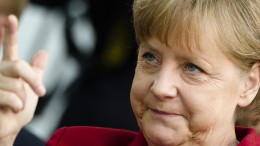
BRUSSELS | by Eberhard Rhein | However important balanced budgets might be for Europe in view of its rising social charges, in particular the huge burden resulting from an ageing population, Germany does not deserve praise for having precipitated the balancing of its budget.

GENEVA | France fell four places from third in 2011 to seventh, while Spain climbed to fourth from eighth.
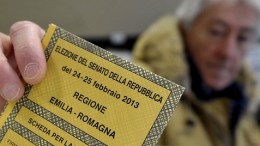
By Marcus Nunes, economist and author | If you followed the results of the Italian general election, you would probably be wondering: what will happen to the “growing investor confidence” the European Commission was talking about?