
The Cost Of Uncertainty
J.L.M. Campuzano (AEB) | Little by little the markets are stabilising. Liquidity is improving and trading volumes are normalising (although they are still low…what is normal?)

J.L.M. Campuzano (AEB) | Little by little the markets are stabilising. Liquidity is improving and trading volumes are normalising (although they are still low…what is normal?)

Citi | ECB Executive Board member Benoit Coeuré gave an interview to Politico on March 23, published on 30 March and featuring on the ECB’s website. Mr. Coeuré begins by explaining that the package announced on March 10 was “very potent, both in intensity and sheer volume”. On the subject of monetary policy tools at the ECB’s disposal, Mr. Coeuré notes that “negative interest rates are not our main instrument, they just support our overall policy. And looking ahead, we’re not short of instruments – our choice is quite large. We will be able to deal with adverse situations if necessary”.
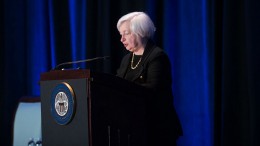
Keith Weiner via TrumanFactor | Unless you’re living under a rock, you know that we have an administered interest rate. This means that the bureaucrats at the Federal Reserve decide what’s good for the little people. Then they impose it on us. In trying to return to freedom, many people wonder why couldn’t we let the market set the interest rate. After all, we don’t have a Corn Control Agency or a Lumber Board (pun intended). So why do we have a Federal Open Market Committee? It’s a very good question.

Confusing costs with revenues, or assets with liabilities, is lethal if you are analysing the situation of the banks. It now appears that, according to some so-called experts, the ECB and its low interest rate policy is to blame for the weakness and lack of profitability amongst Spanish banks.

CAMBRIDGE | June 15, 2015 | By Prof. Jagjit S. Chadha via Deutsche AWS | Could rising rates choke off the recovery or have post-crisis wounds healed sufficiently for the global system to take tightening policy in its stride?
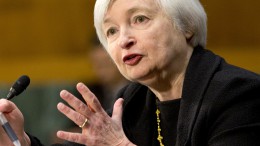
The Corner | March 27, 2015 | Data from Europe has shown that the cost of imports have risen for the eurozone’s largest economy, Germany, spelling good news for the country’s partners within the currency union. In the US, data released today will be poured over by Fed chairwoman, Janet Yellen, at a press briefing scheduled for later this evening.
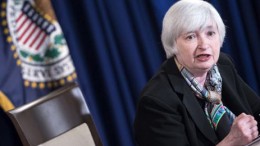
The Corner | March 18, 2015 | Attention will focus on Janet Yellen’s remarks later today, as markets await indication about the Fed’s plans on the issue of a rise in interest rates. Yellen will be speaking after the FOMC meeting, with speculation mounting that US economic projections may be strong enough to warrant a change in monetary policy. Analysts are speculating that a rates hike could happen as early as June, although the current strength of the dollar may delay any rise.

The Corner | March 2, 2015 | The weekend decision of the Chinese Central Bank to cut benchmark lending and deposit rates by 0.25% is geared towards staving off deflation in the country´s slowing economy.
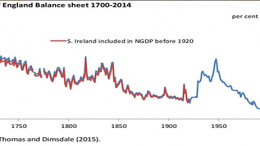
The Corner | February 28, 2015 | The fall in oil prices may yet push the Bank of England to raise rates, which it has been keeping at 0.5% since March 2009. It currently owns the equivalent of 25% of UK’s nominal GDP (see graph above).
MADRID | February 27, 2015 | J.J Fernandez-Figares| Link Securities | Efforts by the ECB to inject money into the euro zone are already showing signs of impact as positive M3 figures offer encouragement ahead of March purchases of sovereign bonds.