
In the World

oil futures

Doing the oil market’s dirty work

Bank of America Global Research | Oil futures have collapsed by more than 60% since the start of the year, with the WTI front month contract testing $20/bbl several times in recent weeks. The dramatic decline in prices is attributable in part to the oil price war, but the primary driver has been demand. As coronavirus fears forced governments around the world to shut down their economies, demand for refined products has been hit particularly hard.


US banks trading income declines

US Banks: Better To Avoid The Industry Because RoE Does Not Compensate For The Risk

Covid-19 cuts the US lenders’ profits by less than half. The US banking balance sheet is solid (liquidity and solvency) and valuation multiples are at record lows. However, Bankinter analysts recommend avoiding the sector as the RoE does not compensate for the risk. Furthermore, analysts highlight the following: the increase in the cost of risk reduces the sector’s profitability (RoTE) by less than half (~6.7% in Q1’20 vs. 16.6% in…


fiscal easing

Covid-19’s Global Impact: Fiscal Action – Go Big, Go Now

Pernille Henneberg & Catherine L Mann (Citi GPS) | How much fiscal easing is going to be needed to offset the upcoming losses to GDP from COVID-19? Our advice is for governments to go big, because it is going to be worse than you think and go now, because later may be too late. In theory, and as illustrated above, if immediate fiscal action stems the deteriorating conditions now, then a large fiscal effort should not be needed.


macroecomics

The Stock Market Is Not The Economy

Unigestión | Despite macro data coming in significantly below very low consensus expectations, equity markets have rebounded more than 25% off their lows. When stock markets rally on bad news, investors often lose a sense of reality. Currently, overly bearish sentiment, improving virus-related data, some optimism about reopening the economy and backstops from both the Fed and governments seem to be the main drivers of the brisk recovery in financial markets.


capitalism

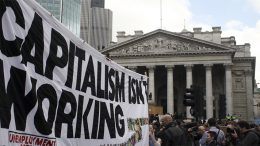
Neoliberalism Born Forty Years Ago Has Ended

Yves Bonzon (Julius Baer) | The exceptional nature, comparable to a natural disaster, of the pandemic crisis is precipitating a profound change in the economic regime. It is still too early to speculate on the political and sociological changes that the coronavirus will have triggered. Nevertheless, it can already be seen that the only effective response to this crisis requires a degree of government intervention in the economy and markets unprecedented in the recent past.


airlines rescue

Airlines Seeking Rescue: Each Aviation Job Saved Would Keep 24 More People Employed In Its Supply Chains

The International Air Transport Association (IATA) estimates that losses to the passenger air transport sector will total $314 billion in 2020, due to the impact of the coronavirus crisis. Given this impact on the aviation sector and its consequences on tourism worldwide, IATA has called on governments to include the aviation industry in the aid packages for the pandemic.


Great lockdown

The IMF Predicts No One Will Be Saved In The “Great Lockdown”

The IMF points to a recessionary situation in both developed and emerging countries, during the “Great Lockdown”, as it has named the current crisis. This did not occur in 2009 Great Recession as the emerging countries then acted as a lifeline by growing by 2.82%. Also, the international organization projects that per capita growth will contract in more than 170 countries.


oil barrelsTC

OPEC+ Reaches A Historic Deal: But Is It Enough?

Nitesh Shah (Wisdom Tree) | That will be the largest ever coordinated cut in oil production. With demand destruction forecasts ranging from 15-22mb/d in April 2020 and these measures not even coming into place until May, we are likely to see a substantial overhang in the short-term. But the deal does last until 2022, so production restraint could mop up excess supply at the back end. Clearly nobody really knows the length and amplitude of the of the COVID 19 related demand.


US jobs data

US Joblessness At 20%?

Ostrum AM | A total of 6.6mn Americans lost their jobs last week. This raises the total of unemployed persons to 10mn since mid-March. The outlook for the next few weeks is dismal. The unemployment rate will increase very rapidly to levels unseen since the 1930s great depression. March non-farm payroll data reported only 701k job losses but the survey is conducted on the week on the 12th day of the reference month hence before the catastrophic claims numbers. April data will thus take account of job losses in the millions.