

debt

No Picture

U.S. Debt Ceiling: Watching and Waiting (Barclays)

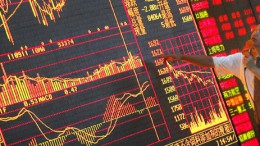
Markets have started the week in a relatively directionless fashion amid slow-moving progress in Washington, Barclays analysts point out. That lack of decision could make the Fed delay the tapering until 2014, keeping downward pressure on the USD.
No Picture

What are Conservative Experts Saying About Breaking Through the U.S. Debt Ceiling?

WASHINGTON | By Mike Konczal via The Next New Deal | There was a fantastic piece in The Atlantic back in 2000 about psychiatrists dealing with people who wanted to have their limbs cut off because it would make them feel more like themselves to be amputees. The doctors’ big dilemma was whether or not to treat “apotemnophilia” as a diagnosable mental illness. If they engaged with it as a mental illness that existed and was recognized by the medical community, they ran the risk of encouraging more patients to identify with it.


U.S. Govt Shutdown Not Debt Crunch… But Mess Can Spread Fast

WASHINGTON | By Pablo Pardo | What is the difference between the current fiscal crisis and government shutdown and an eventual U.S. default after Oct. 17th? The same between a “disruptive” event and a “major macro systemic event”. Think of the 1929 Crash or the 1973 oil shock.


china economy

China’s Economic Apocalypse Averted; Economy on Upswing

By Ray Kwong | China’s economy went from chump to champ in 30 years, with growth rates averaging 10% over three decades. To be sure, there are major downward shifts underway, but predictions that the Chinese economy will go down in flames—whether by crash, hard landing or [your favorite term here]—is crazy. Some detractors even foresee an economic apocalypse, one in which China will repeat Japan’s “lost decade” of stagnation.


China economy

China, free fall?

Iris Mir | By mid-June the National Audit Office of China released a report unexpectedly detailing the debts of 36 local governments. It unveiled the chilling figure of 3.3 trillion dollar in debt, by the end of 2012. A 13% higher than in 2010. Furthermore, the lack of stimulus investment plans is fuelling scepticism among those who expected the Asian dragon to keep the world economy afloat. Mostly because the priority for China now is to reorient its model of growth with ambitious programs like the new Co2 emissions exchange.