
A tax hell in sight? Europe cuts taxes while Spain opts for hikes
There is a sudden push to cut taxes in the US and Europe, although the Spanish government is preparing to increase taxes here, particularly for companies.

There is a sudden push to cut taxes in the US and Europe, although the Spanish government is preparing to increase taxes here, particularly for companies.

Spain can’t imitate Germany in a context in which Europe is a closed zone where countries export to each other. And Spain is unlikely to become another Germany because the Spanish production model is still based on low productivity.

Nick Malkoutzis via Macropolis | It has usually been the case during the last seven years that when a Greek government is nearing an agreement with its lenders, there is an upsurge in the amount of misinformation, disinformation and downright propaganda that Greeks hear and read.
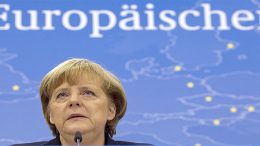
Brussels has warned Germany about its excessive current account surplus. The procedure for detecting macroeconomic imbalances has revealed the average current account surplus between 2013 and 2015 was 7.5% compared with an alarm threshold of 6%.

The European Commission has published its evaluation of the progress made by different countries towards their economic and social priorities. The report highlights that the Spanish economy is growing at a good pace and is gradually correcting its weaknesses. But there continue to be huge imbalances, like still high unemployment and the high levels of both public and private debt.
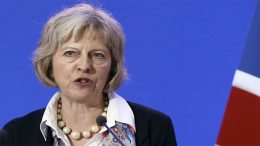
By end March, the UK will trigger the nuclear button splitting it from the European Union. A landmark decision which will determine both parties’ future, irrespective of the side of the English Channel they find themselves on.

Yiannis Mouzakis via Macropolis | In a recent presentation of his book, Laid Low, which examines the International Monetary Fund’s role in the eurozone crisis, author and journalist Paul Blustein disclosed a memo dated May 4, 2010, from the IMF’s then head of research Olivier Blanchard, to Poul Thomsen, who headed the Greek mission at the time.

Yes, inflation is a global phenomenon, and inflation moving higher elsewhere will help Euro area inflation. According to BoAML, while the global backdrop will be helping, it will not move the needle enough to sustain inflation beyond the mid-year hump. Analysts think that a gradual improvement in the global output gap will generate a cumulative increase of 5bps in Euro area core inflation.

The problem loans of the big banks directly under ECB supervision totalled close to 1 trillion euros at end-2015, although they declined to 921 billion in September 2016 (almost 9% of the euro area’s GDP), according to the data disclosed by Vítor Constâncio on February 3. But the problem is that this figure is not distributed homogeneously across the banks.

While three more rate increases have been forecast for 2017, growing populism is a crisis of entitlement, and those higher interest rates will squeeze some countries more than others.