
MSCI Emerging Markets Index Fully Developed At Its Happy 30th Anniversary
After thirty years, with the MSCI emerging markets at a historical high, having outperformed developed markets for the past two years. What should we expect going forward ?

After thirty years, with the MSCI emerging markets at a historical high, having outperformed developed markets for the past two years. What should we expect going forward ?
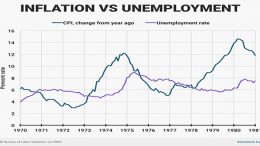
After US inflation beat estimates in January, it’s likely the market will end up putting even more emphasis on the possibility of seeing inflation rates higher-than-expected months ago, or even stagflation. And, unfortunately, this will continue to spark potential over-reactions which would give way to strong, quick movements.
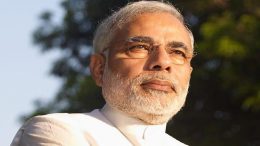
Atul Singh and Manu Sharma | The Indian government’s latest budget courts the poor with an indigenous brand of socialism that relies on financial transfers and private provision of services in an election year.

Scott Morris via Caixin | Overshadowed by China’s role as the world’s creditor is the uncomfortable reality that it also continues to be one of the largest recipients of multilateral assistance through major development agencies like the World Bank and Asian Development Bank. This juxtaposition of China as lender and borrower has marked a long simmering tension with the West.

Benjamin Cole | The last filmy slips of fabric have been stripped away, and macroeconomists must now view the once-romanced US Congress in flagrante delicto with a real paramour: Mr. Big Bucks Deficits. From here, a premise of Federal Reserve monetary policy must be that it takes place alongside $1 trillion annual deficits.

After several sluggish years by their own standards, the emerging economies’ growth rates have once again started to speed up. As seen by Caixabank’s strategists, “the first hesitant signs of this turnaround could be seen in 2016, becoming much more evident in 2017. Emerging growth rates are now expected to consolidate at around 5% over the next few years.”
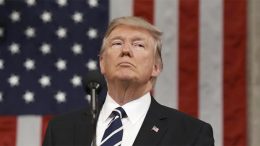
“I am “the king of debt”. That was very grandiose for me as a businessman, but it’s bad for the US. I made a fortune with debt, I will sort out the US”. This is the kind of tweet which would ruin anyone’s political career, with the exception of one person: Donald Trump.

Brent crude recently topped USD 70 a barrel for the first time since June 2015 as OPEC announced it would restrain oil output until the end of 2018. Nevertheless, there is still some scepticism over just how high prices will go, in spite of the cartel’s apparently strong commitment to reduce excess supply. According to CaixaBank’s strategists, such doubts are partly due to the uncertainty hovering over the shale production’s industry.
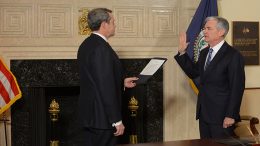
Jerome Powell is bound to have a crash landing in the Federal Reserve. From the very beginning of his mandate, pressure is mounting on him to raise rates. An unpalatable choice for someone who hoped to follow Janet Yellen’s wait-and-see stance for as long as he could.

What are the reasons for the apparent abrupt change in mood on the stock markets? Does this unexpected sell-off mean the end of the bull market? What seems clear is that the environment has changed, volatility is back, and 2018 is looking more complex for investors given central banks that are reducing stimulus.