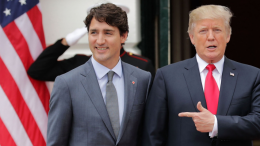
The Winners And Losers In The New NAFTA
via The Conversation | NAFTA is out but the United States-Mexico-Canada-Agreement (USMCA) is in. But how different is USMCA from NAFTA? Who loses and who wins?

via The Conversation | NAFTA is out but the United States-Mexico-Canada-Agreement (USMCA) is in. But how different is USMCA from NAFTA? Who loses and who wins?

The 10-year US Treasury yield has risen to above 3.20%, the highest level in more than seven years. As commented by Jeroen Blockland from Robeco, “few investors anticipated that US yields would rise to these levels and this is currently causing a bit of volatility”.

In 2017, the global aggregate value of M&A deals amounted to $3.66tr, predicted to increase to $4.4tr in 2018. This year, in the US alone, the first six months of the year registered a balance $2.5Tr, up 40% on 2017, with megadeals in excess of $10bn constituting some 38% of the total.
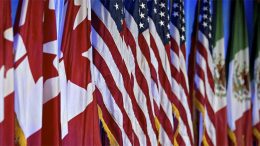
The US and Canada have reached a trade agreement which will replace the existing NAFTA (North American Free Trade Agreement). This new deal shows the ability of the US administration to negotiate and secure new trade agreements, although it is very unlikely to reach one with China given the geopolitical rivalry between both countries.

Multiple rounds of quantitative easing and liquidity injections resulted in more than a four-fold increase in the aggregate G4 central banks balance sheet in the last decade. This experience has many worried about a “quantitative tightening ” trade. Here analysts at BoAML argue that those worries can be put off for another day.


via The Conversation | On Sept. 30, 1968, the first Boeing 747 rolled out of its custom-built assembly plant in Everett, Washington. From the beginning, everything about the plane once known as the “queen of the skies” was big.

A key issue that President Trump’s speech at the UN General Assembly helped highlight was the rising tensions in the Gulf. As one measure of this, analysts at BNY Mellon note that “while it’s tempting to dismiss this as saber-rattling by both sides, the debate over Iran’s ability to close the Strait of Hormuz has been going on since the early 1980s.”
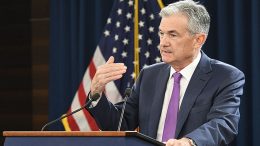
The Federal Reserve raised its benchmark interest rate by 25 basis points. The effective rate will evolve in a corridor between 2% and 2.25%. The dots graph reflecting monetary policy committee members’ expectations suggests 3 rate increases in 2019, 1 in 2020 and none in 2021. As pointed by Philippe Waechter from Natixis IM, this profile, for 2019 and 2020, is unchanged from last June forecasts.