
Shadow Puppetry In Chinese Corporate Debt
Chinese corporate debt has not stopped growing since 2007 (it is around 160% of GDP). But given the level of reserves, Beijing does not yet understand the alarmism unleashed by international agencies.

Chinese corporate debt has not stopped growing since 2007 (it is around 160% of GDP). But given the level of reserves, Beijing does not yet understand the alarmism unleashed by international agencies.

It’s strange that in the US there are so many people worried about the possibility that the country might end up being like Greece. There are other crazy people who make the comparision with Zimbabwe. Greece or Zimbabwe, well it depends on whether the threat is related to the state going bankrupt or to hyperinflation.
Marc Chandler via Caixin | The U.S. dollar has had a rough few months. It has fallen against most major and emerging market currencies this year. A critical issue for global investors and policymakers is whether the dollar’s uptrend is over or is this just a respite. Much is at stake with the answer.
Benjamin Cole via Historinhas | Of late in monetary blog-land has been bruiting about central bank helicopter drops, usually defined as a last resort to boost aggregate demand and fight deflation.
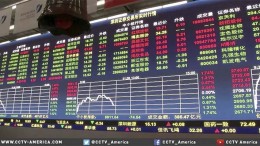
UBS | The launch of the Shenzhen-Hong Kong Stock Connect program this year was recently confirmed by top Chinese government officials. We estimate that about 505/218 Shenzhen/HK stocks could be introduced into the existing Shanghai-Hong Kong Stock Connect, leading to over 70% of the A-share market cap and 84% of the Hong Kong market cap to be mutually open.
It feels likely that markets will be waiting for more certainty on Fed hikes to push USD higher, especially given years of post-crisis overpricing of higher interest rates.
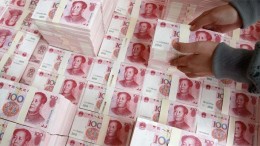
Caixin | China’s banks lent out 4.67 trillion yuan in the first quarter, central bank data show – a figure that surpasses the record seen in the same period of 2009, when the authorities went on a spending spree in a bid to spare the country from the ill effects of the global financial meltdown.
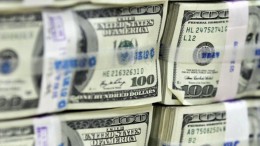
Benjamin Cole via Historinhas | Stanford luminary and economist John Cochrane is touting the fiscal theory of the price level (FTPL), in which the anticipated future of federal budget primary (operating) deficits is the key tell in present-day inflation. If the national budget looks re-inky, then inflation will result.

UBS | Non-Japan Asian private debt is now the highest in the world for any major region and is climbing toward 170% of GDP. As we have argued in our Debtopia thesis since 2013, rising leverage will increasingly result in diminishing marginal benefits to economies and profits when debt becomes excessive.
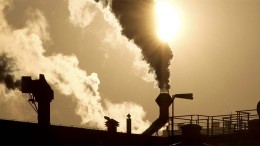
Kate Gordon via Caixin| It’s official: we’re in a time of energy transition. On April 22, Earth Day, the UN’s most recent climate deal – known as the Paris Agreement – will be formally signed in New York, ushering in a new era of country-led action to reduce carbon emissions.