
Spain Q4 public debt at 99% of GDP; exceeds 2015 target
Spain’s public debt stood at 1.070 trillion euros in the fourth quarter, 7.562 billion euros more than in the previous one, according to Bank of Spain data. (datos del Banco de España).

Spain’s public debt stood at 1.070 trillion euros in the fourth quarter, 7.562 billion euros more than in the previous one, according to Bank of Spain data. (datos del Banco de España).

M&A transactions in Spain soared 185.56% in February to 5.305,23 billion euros from a year earlier, according to consultancy TTR’s monthly report. The real estate sector has been the most active so far this year, with a total of 61 operations, followed by the Internet and technology sectors, with 20 and 17 transactions respectively.

The CNMC said 2015 was the first year that the electricity system posted a surplus after 14 consecutive years of deficit. The full-year surplus was 550 million euros which the regulator has said should be earmarked for paying down debt, in line with the guidelines included in the last electricity sector reform.

Spain’s political debate is going on between two irreconcilable adversaries, each one with its own issues. Meanwhile, in the back room where the accounts are done, there is hard work going on to refinance the public and private debt which matures every day. Without some tailwinds, Spain (BBB) could once again find itself facing serious problems.
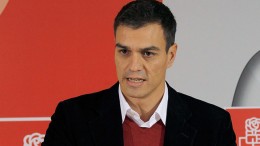
Almost at the same time as Socialist candidate Pedro Sanchez gave his inaugural speech in Parliament yesterday, Spain’s stock market saw another consecutive increase. It rose over 1.8%, almost its best performance since October. The second day of debate has been closed with a similar level increase: 1.78% up to 8.764,5 points.

The figures issued by the Bank of Spain have confirmed what we could already see with the naked eye; namely that Spaniards are losing their fear of the future and spending again. After several years of austerity, the consumers in Spain have gradually loosened their purse strings over the past year. And to such an extent that consumer spending rose 3.1% in 2015, almost tripling the 1.2% registered a year earlier.

According to Bankinter’s analysts, there will be a moderate increase in housing prices (around 3-5 % between 2016 and 2017), and it will only happen in certain places. So Spain’s property prices will not return to the pre-crisis record highs, but will reach levels similar to that in 2004.

The figures in Spain are stubborn and worrying. Public debt will exceed 100% of GDP in 2016 and the deficit is not keeping pace with commited goals. So Spain’s public finances are a potential source of future instability, which the country cannot permit given that its external debt is close to 170% of GDP.

The utterly preposterous policy platform submitted by Podemos leaves no room for a left-wing grand coalition in Spain. Its reckless recipes are only aimed at frustrating any hope the Socialist leader might have of forming a cabinet. With everyone manoeuvring to achieve pole position, no serious negotiations can take place on alliances which could lead to the formation of a cabinet. So voters will probably have the chance for a second say just before the summer break.
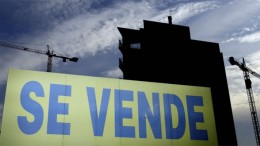
Spain’s property market is consolidating its recovery in the residential segment, while commercial real estate is clearly in an upward trend. But the fact that Sareb still has a substantial amount of property assets to dispose of, some of them with discounts of over 50%, will keep a lid on prices for the time being.