
World economy


IMF' sreport on Mexican Economy

Mexican Economy: Problems In The Neighbourhood

The IMF’s last report on Mexican Economy praises the quality of the general framework of its economic policy and its execution, encourages maintaining the principles of fiscal consolidation with the aim of keeping debt under control – the federal budget normally closes in the red – and reiterates the importance of transforming PEMEX into a profitable organisation.


commodity reflation

The Commodity Reflation Trade Is Getting Its Reality Check

The commodity complex continues to soften with oil prices sliding below USD 50 per barrel and Chinese heavy industry commodities rushing lower. The resource reflation tide recedes with benchmark indices such as the Bloomberg Commodity Index trending towards last year’s levels. Commodity prices revert towards fundamentally reasonable levels on supply rather than demand trends.


Trump's certainties: oil & taxes

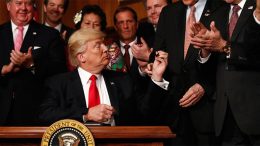
Trump’s Two Certainties: Oil & Taxes

After two days in Washington DC meeting with politicians and policymakers, BoAML analysts conclude that energy “is a policy cornerstone, together with tax reform, in this Administration”


inflation is not priority of central banks

Controlling Inflation Is Still Not The Priority Of Central Banks

Despite quantitative easing and 3 years of more synchronised developed economy growth, it is not clear that inflation has really got any traction. Technology, globalisation, unemployment and changes in working practices have all contributed to the lack of inflationary pressures and still do.


US volatility towards 2020

US Protectionism Could Toss World Trade Into Tailspin

Razeen Sally via Caixin | International trade is in trouble after the global financial crisis and, with the new Donald Trump administration, the world faces a protectionist onslaught. As a result, there are three ways that international trade can go from here — one considerably more likely than the other two.

Brazil interruptedTC

Brazil: recovering in slow motion

The improving macroeconomic backdrop and continued rise of the middle class as well as high private health spending, make Brazil a potentially “attractive” investment destination. However, AXA IM analyst Manolis Davradakis point that “the emerging market’s poor ranking in terms of ease of doing business and international competitiveness, plenty of risks remain.