The Fed Is More Like The ECB 2011 Than Fed 1937
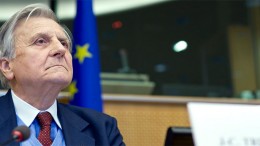
In an attempt to out-macho the US and impress Germany , the ECB under Trichet decided to stamp on headline inflation hitting nearly 3% in early 2011, while core remained solidly below 2%.
In an attempt to out-macho the US and impress Germany , the ECB under Trichet decided to stamp on headline inflation hitting nearly 3% in early 2011, while core remained solidly below 2%.
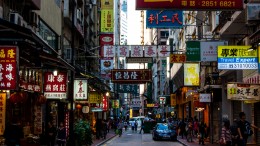
Vincent Chan via Caixin | The Hong Kong dollar has been under pressure recently. On January 20, the value of the currency plunged to an eight-year low of 7.8228 to the U.S. dollar. Meanwhile, the stock market’s benchmark Hang Seng Index fell 3.8 percent from the previous day to 18,886.3, the lowest level in 42 months.
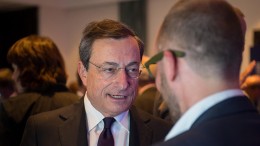
It is worth reading the article by Wolfgang Munchau in which he analyses the minutes of the last ECB Governing Council meeting. In short, Draghi affirms he is prepared to continue to try to drive inflation towards his 2% goal, but the Council members are not so enthusiastic. On the contrary, they put a spoke in his wheel.
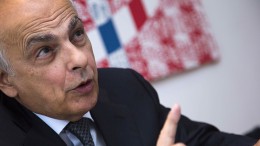
Luis Carlos Croissier is a member of the board of Repsol, Spain’s biggest oil company. He recalls that proven global oil reserves are currently double the level they were in 1980. Croissier was also chairman of the CNMV, the stock exchange regulatory body, and responsible for the Spanish bourse’s “Big Bang”, at the end of 80’s. Before that time, he was Industry Minister in Spain’s Socialist party.

James Alexander via Historinhas | Of course we welcomed Mr Draghi’s willingness to ease monetary policy announced with at the January ECB meeting last week. And we recognised the positve impact on markets and therefore on NGDP expectations. But was this just a stopgap response to a poorer negative trend?
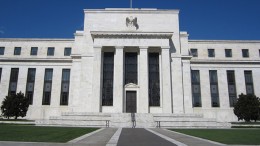
The FOMC statement after yesterday’s meeting failed to boost investors’ spirits. While acknowledging the US economy had faltered in the last quarter, the Fed showed no intention of switching from its current stance for the time being.
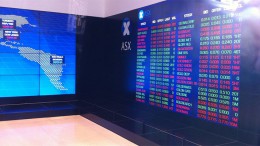
The collapse of the global stockmarkets, with European bourses falling 10 percent or more over the past month, is a cry for help to the central banks to ‘do something’, namely provide more stimulus to the economy. One of these voices is Ray Dalio, founder of the world’s biggest hedge fund Bridgewater, who said that the Federal Reserve needs to start printing money again to boost markets.

Key economic data disclosed Tuesday by Beijing seems tailored to the official mantra that matters are firmly under control. So GDP supposedly showing a 6.9% increase in 2015 only marginally trims the 7% forecast given in January last year. Quite an amazing result which is in open contradiction to the rather stern measures introduced to stave off a slowdown.

The markets are connected via expectations. If there is a price change in one market, then this information is transmitted to other markets pricing in easily assimilated expectations within a similar time horizon. All consumer durables markets have an eye on the future. In other words, they have a financial component although the product which is trading on the market has an industrial use. For example, the oil and bond markets.

KnowledgeWharton | For Europe, there were a few topics dominating headlines in 2015, notably the migrant crisis, Islamic State terrorist attacks and threats, and anti-austerity movements. These tensions will continue to have a big effect on the European economic outlook in 2016, and together are even raising the question in some quarters of whether the European Union (EU) might disintegrate before long.