debt


greece

Growing Greece: From narrative to reality

Nick Malkoutzis (Macropolis) | Over recent weeks, there has been much talk from government officials about a “new Greece” emerging after the July elections. This has been supported by legislation that has already been passed, such as interventions in the way the country is governed, and the draft laws that are being lined up, such as the development bill, which is seen by New Democracy as a bureaucracy-buster that will pave the way for more investment.


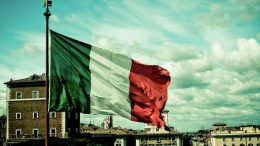
Italian flag

Italy: new cards on an old table

A. Menut and A. Tentori (AXA IM) | Italian politics are back at centre stage, with Lega party leader Matteo Salvini unexpectedly triggering a government crisis and making way for what in many ways is yet another spurious coalition. The positive political climate, more European Union-friendly, together with non-negative – although weak – growth should be encouraging for markets.


spanish family

Spanish companies and households: less debt and more financing

J.L.M. Campuzano (AEB) | The Bank of Spain has published the financial accounts for the Spanish economy at the end of the first quarter. Consolidated household and company debt fell in the first quarter to 132% of GDP, 4.1 percentage points below the rate the year before. Company debt represents 74.4% and that of households 58.4%.


New regulation on anticrisis buffers.

Has the crisis really ended?

Miguel Navascués | There are many signs that the public think the crisis is over. One is the bankruptcy of Podemos, but there are many more. But has it ended? I doubt it.