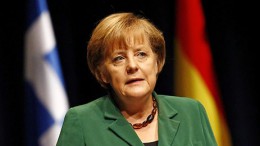
Question in Germany Is: Who Will Govern with Merkel Next?
Nick Ottens via Atlantic Sentinel |German chancellor Angela Merkel could renew her alliance with the center-left or switch to a pact with either the liberals or Greens.

Nick Ottens via Atlantic Sentinel |German chancellor Angela Merkel could renew her alliance with the center-left or switch to a pact with either the liberals or Greens.
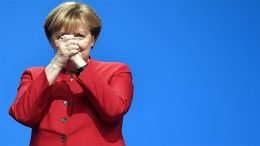
The damping of the refugee crisis and the strength of the economy have weakened German voters’ desire for a radical change. If Angela Merkel is re-elected as chancellor, the financial markets are likely to function normally.
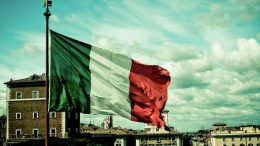
Italian elections are likely to represent the next main European political risk. With anti-establishment sentiment running high and the euro increasingly seen as a major contributor to Italy’s structural problems, both themes will feature prominently in the campaign ahead of the next election.
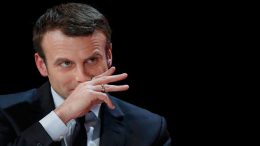
Making democracy work certainly is no mean task but one way of understanding the victory of Emmanuel Macron in France is reason beating irrational fears. Or as Macron himself has said: you convince people “by speaking to their intelligence.”
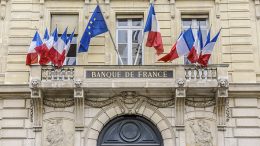
A political risk scenario is not taking shape in Europe, but that doesn’t mean there are no problems. They are still there and in France they will rear their head under the concept of “cohabitation.” The new president of the French Republic, more than likely, will have to live with the National Assembly being dominated by the traditional parties.

Emmanuel Macron’s success in the presidential elections has alleviated fears France might fall into the black pit of extremism. But he faces the huge task of delivering growth by sweeping reforms while preserving most of the current social model. A task that will prove elusive unless he secures solid parliamentary backing.
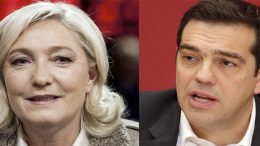
After 2015′ s Greece referendum, Tsipras got an attack of the jitters, a possible coup d’etat was insinuated, so he decided to turn the sense of the referendum around, giving in unconditionally to the demands of the Brussels bureaucrats. If Marine Le Pen were to win the second round of Sunday’s French elections, would she give into pressure from inside and outside Europe to renounce her goal of getting rid of the euro?
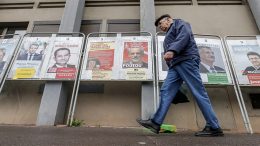
European capitals have welcomed with relief Macron’s victory in the first round of the French elections. But even if Macron’s lead in the first round seems comfortable enough, support for extremist parties represents more than half of total votes. This could lead to unstability in the country which Macron will need to be able to control.
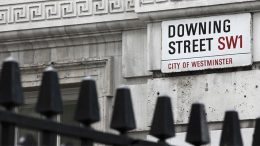
John Bruton | British Prime Minister Theresa May has decided to call an early election before the practical outworking of her Brexit strategy becomes obvious to voters. She wants to be free to modify her strategy, and needs a bigger parliamentary majority. She claims otherwise. Instead, May says she is calling the election because the other parties oppose her Brexit strategy. They don’t oppose it, actually. They have cooperated with it to a point that makes little of parliamentary sovereignty.
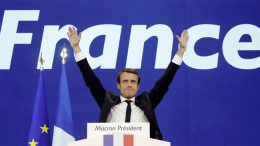
Centrist candidate Emmanuel Macron was victorious over right-wing candidate Marine Le Pen in yesterday’s French general election, winning 23.9% of vote versus her 21.4%. These results practically guarantee his being elected as the country’s new President in the second round in two weeks time.